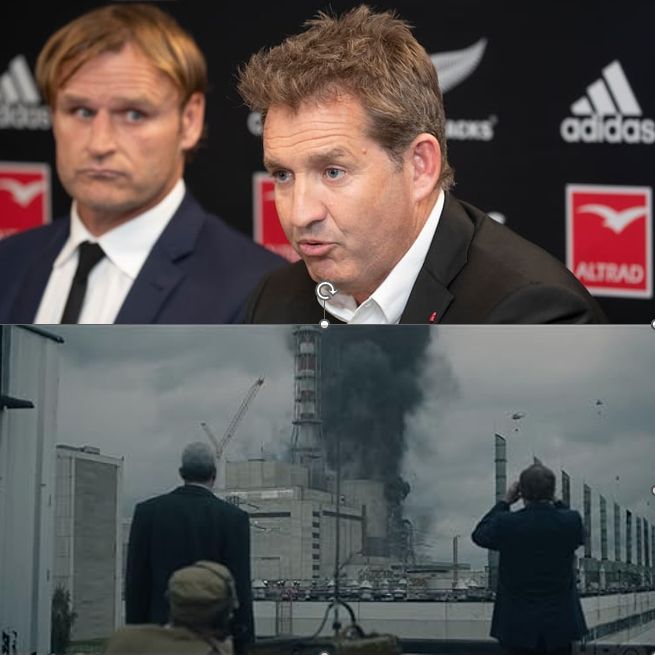
Leadership exits have stacked up across rugby, netball, and cricket, and the instinct for those in charge is to hunt for villains. Someone must be responsible. Right?
Welcome to Chernobyl.
For those of us in PR, we know scapegoating only gets you so far… during a meltdown, caused by clear design flaws, and the poor flow of information.
The other thing we know is we’re about to get called in as the clean up crew. And if you’ve seen the 2019 HBO series Chernobyl, believe me when I we see graphite everywhere (no matter what we’re being told).
In the show, the disaster isn’t caused by a reckless operator. It’s caused by a system that punishes bad news, fragments authority, and rewards silence -or- sticking to the company line. Leadership is messy, it’s hard to identify whose orders to follow, and no one is accountable because of the consequences of admitting fault. Sound familiar?
The Chernobyl reactor failed because the system trained smart people to do the wrong things. Follow the rules. Don’t escalate. Hide bad news. Protect the institution. This is a governance issue, and there’s only so much a comms team can do when there’s a reactor leak.
Truth always arrives too late because the system isn’t built to absorb bad news. In a climate of uncertainty and internal tension, communication becomes cautious, curated, and defensive – reality gets filtered out. People know what’s happening, but the system teaches them that saying it plainly carries risk.
Good communicators tell uncomfortable truths before they become uncontrollable. That’s the lesson for out Sports Industrial Complex. When multiple leaders exit at once, the problem isn’t leadership. It’s the environment leadership operates in, and the narratives that environment permits.
What follows is predictable. Churn, baby, churn. Communications teams work overtime drafting appointment and departure announcements, managing media, and buying time. Messaging fills the space where governance and decision-making should sit.
You can replace plant managers (and ugh, comms people☹), reshuffle committees, and commission reports. But if the reactor design stays the same, even good comms won’t change the inevitable explosion.
The question isn’t who leads what code next. It’s what truths the system allows leaders to say. Until that changes, expect more exits, well written statements, and the slow hiss of pressure building in the pipes.
PR ProTips (yeah, I got two this time):
1. When leadership failures cluster, anchor your narrative to systemic improvement, not personalities. Give your audience more credit and trust they can understand the complexity of the challenge and the machinery needed to fix it.
2. FFS, don’t force feed them the ‘great man theory’. That’s just lazy. Which feels like the cue for some new AllBlacks CEO to say, ‘we’ve just hired [NAME] and he’s perfect for this team”.
